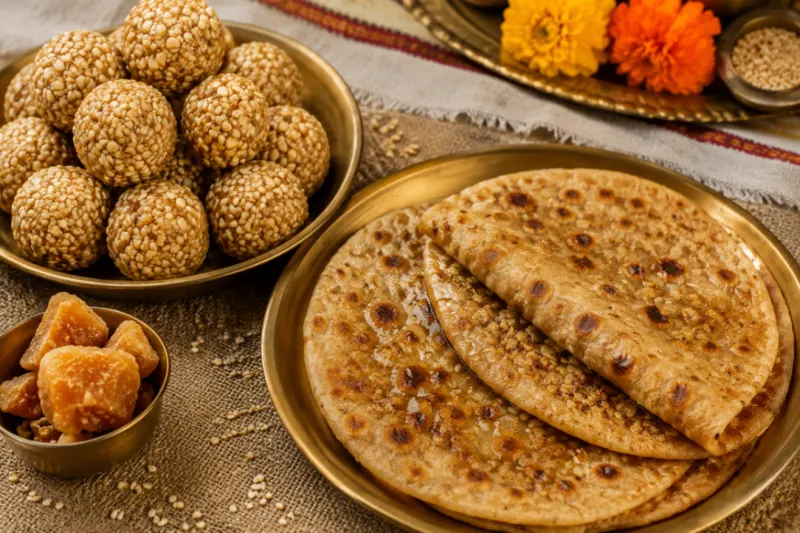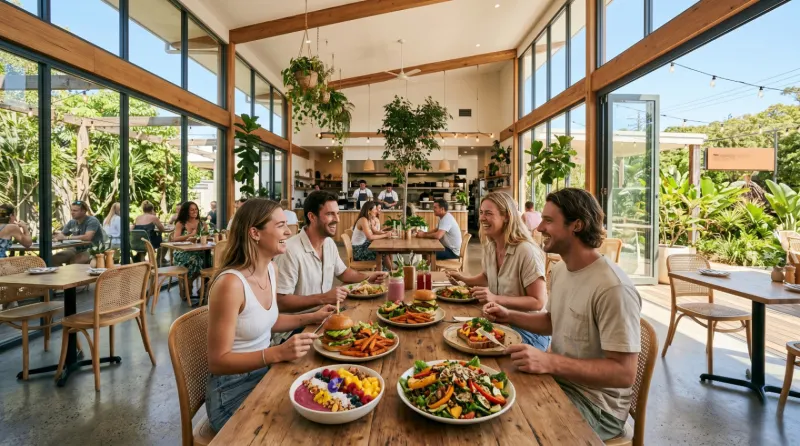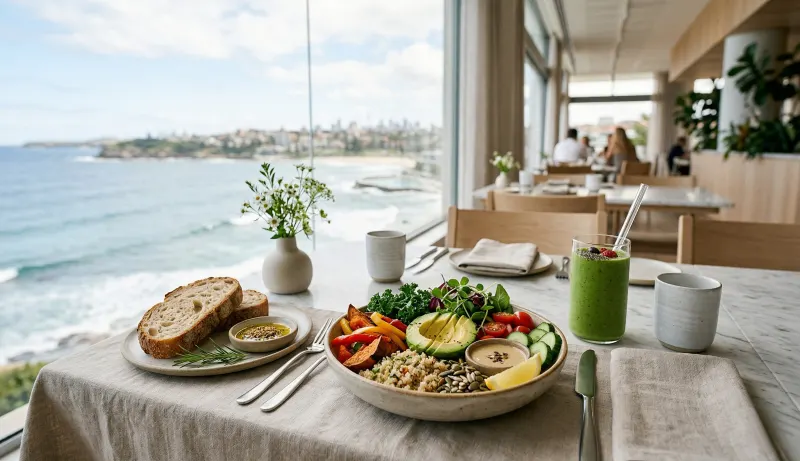



Navratri is one of the most widely celebrated Hindu festivals, observed over nine days to honour Goddess Durga. While the celebrations include prayers, community gatherings, and cultural events, one practice remains central across households globally:
Following a Satvik diet.For Indians living in Australia, this brings a practical challenge how do you maintain Navratri fasting while managing work, travel, and limited access to traditional food?
This guide explains:
-
Why Hindus follow a Satvik diet during Navratri
-
What foods are allowed and avoided
-
And how you can realistically follow it in Australia, whether you’re dining out, staying home, or traveling
What is a Satvik Diet?
A Satvik diet is based on eating food that is:
-
Light and easy to digest
-
Fresh and minimally processed
-
Vegetarian and balanced
It typically includes:
-
Fruits and vegetables
-
Dairy like milk, yogurt, paneer
-
Nuts and seeds
-
Sabudana (tapioca pearls)
-
Buckwheat (kuttu) and amaranth (rajgira)
-
Rock salt instead of regular salt
The idea is simple: eat clean, feel light, and stay mentally focused.
Why Do Hindus Follow a Satvik Diet During Navratri? 1. Supports Mental Clarity
Navratri is a time of prayer and reflection. Heavy or processed food can make you feel sluggish, while Satvik food helps:
-
Maintain steady energy
-
Improve concentration
-
Keep the mind calm
2. Helps the Body Reset
Navratri often aligns with seasonal transitions. A lighter diet during this time:
-
Supports digestion
-
Reduces dependency on processed foods
-
Helps the body adapt naturally
Following a structured diet for nine days encourages mindful eating. It shifts focus from convenience to awareness what you eat, how you eat, and why you eat.
4. Aligns with Plant-Based Living
Satvik food is entirely vegetarian and aligns with global trends such as:
-
Clean eating
-
Plant-based diets
-
Sustainable food choices
What Foods Are Avoided During Navratri?
To maintain simplicity and purity, people typically avoid:
-
Onion and garlic
-
Wheat and regular grains
-
Meat, eggs, seafood
-
Packaged or processed foods
Instead, meals are prepared using alternative flours and natural ingredients.
What Can You Eat During Navratri?
Navratri meals are simple yet satisfying. Common options include:
-
Sabudana khichdi
-
Kuttu puri
-
Sweet potato dishes
-
Makhana snacks
-
Fruit-based meals
These foods are designed to keep you energized without feeling heavy.
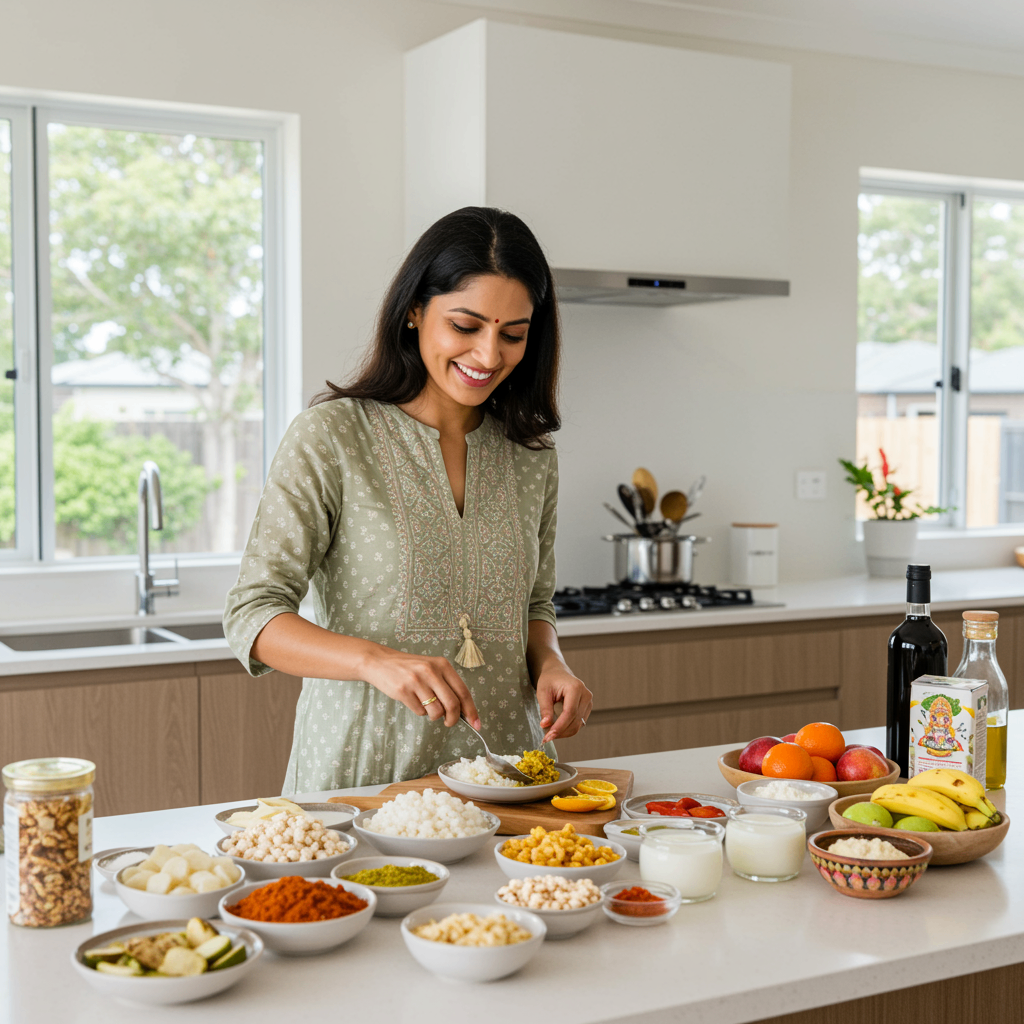
For many in Australia, the intention to follow Navratri is strong—but execution can be difficult.
Common challenges include:
-
Limited availability of fasting-friendly meals
-
Busy work schedules
-
Traveling between cities with fewer Indian food options
This is where planning and the right resources make a difference.
Option 1: Find Ready Satvik Meals Near You
Instead of searching daily, you can rely on curated Navratri menus available on VegSpoons.
👉 Navratri Satvik Food Festival – 9 Days of Divine Flavours at Savariya
https://www.vegspoons.com.au/event/navratri-satvik-food-festival-9-days-of-divine-flavours-at-savariya/za
This includes traditional dishes like sabudana khichdi, sabudana vada, shrikhand puri, and aam ras puri—all prepared without onion and garlic.
👉 Navratri Special Fasting Menu at Sacred Platter
https://www.vegspoons.com.au/event/navratri-special-fasting-menu-at-sacred-platter/W0
A convenient option featuring vrat-friendly meals like buckwheat fritters, paneer-based dishes, and curated fasting platters.
Option 2: Cook at Home Using VegSpoons Recipes
If you prefer staying indoors or don’t have access to nearby fasting-friendly restaurants, cooking at home becomes the most reliable option.
👉 Explore recipes: https://www.vegspoons.com.au/recipes
The VegSpoons recipes section allows you to:
-
Filter meals by Satvik, No Onion No Garlic, Jain, or Ayurvedic preferences
-
Access simple, quick recipes for daily cooking
-
Plan meals for all 9 days without repetition
One example is Rajgira Kadhi (Farali Kadhi)—a vrat-friendly dish made using amaranth flour, ideal for maintaining a traditional Satvik meal.
These recipes are especially useful when:
-
You’re working from home
-
You want full control over ingredients
-
You need quick, reliable meal options
If you’re traveling during Navratri, staying consistent requires a bit of preparation.
A practical approach:
-
Check VegSpoons listings in your destination city before traveling
-
Save a few easy recipes for backup
-
Carry essentials like fruits, nuts, and makhana
This combination of planning + flexibility helps you follow the diet without disruption.
Why VegSpoons is Useful During Navratri
VegSpoons simplifies Navratri for people living in Australia by bringing together:
-
Curated Satvik meal options
-
Festival-specific menus
-
Practical, easy-to-follow recipes
Instead of figuring things out every day, you can plan your entire Navratri food journey in one place.
A Simple Perspective on Satvik Eating
Satvik eating is not about strict rules—it’s about making better choices.
It encourages you to:
-
Eat lighter
-
Be more mindful
-
Reduce unnecessary complexity in your diet
For many, these nine days act as a reset—physically and mentally.
Final Thoughts
Following a Satvik diet during Navratri is a balance of tradition and practicality.
In Australia, where access can sometimes be limited, using a mix of:
-
Curated meal options
-
Simple home recipes
-
Basic travel planning
makes it possible to stay consistent without stress.